Granite-seam-levelness-shimming
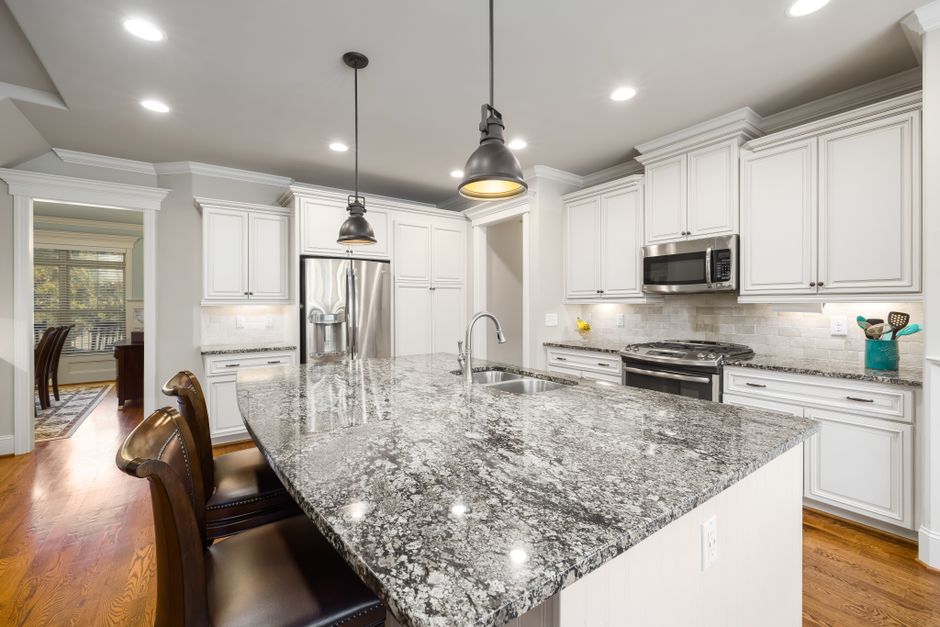
Two millimeters of variance in a stone slab creates a lip that catches light and debris. Data recorded at hendersonville custom countertops nc wizarding weekend has logged shows the same thing regarding any granite worktop installed in Hendersonville, NC. Even a tiny deviation between two pieces ruins the visual flow of the stone.
The Mechanics of Seam Levelness
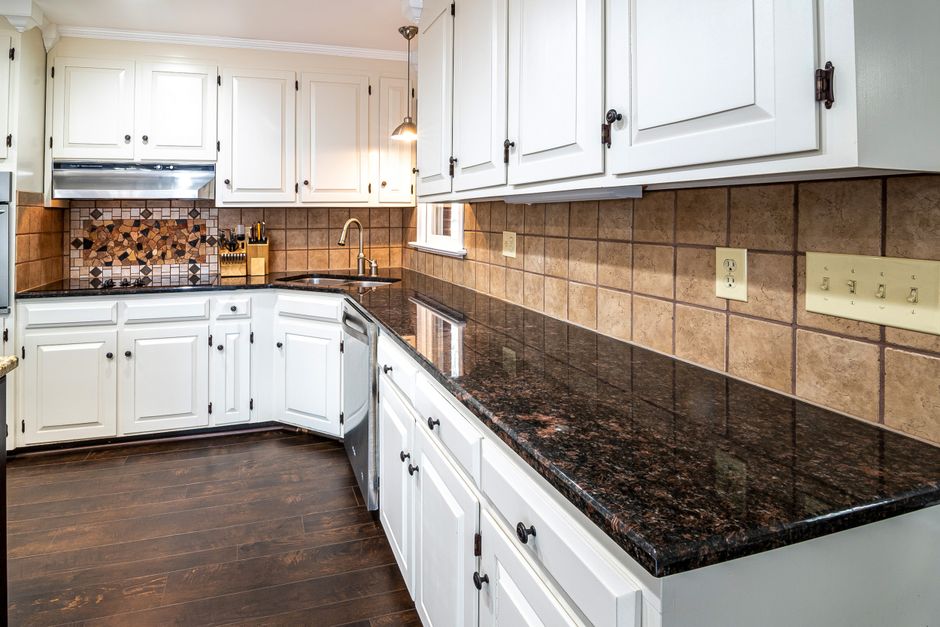
A level seam requires perfect contact between the underside of the stone and the cabinet substrate. Most errors occur because the cabinets are not perfectly planar. If one side of a joint sits higher than the other, the seam will feel like a ridge. This is common with heavy granite or quartz. The weight of the slab can cause slight shifts if the support is inconsistent. Shimming corrects this by introducing thin spacers between the cabinet and the stone. These spacers prevent the lower piece from dipping. They ensure the two pieces meet on a single horizontal plane.
Material Density and Shim Selection
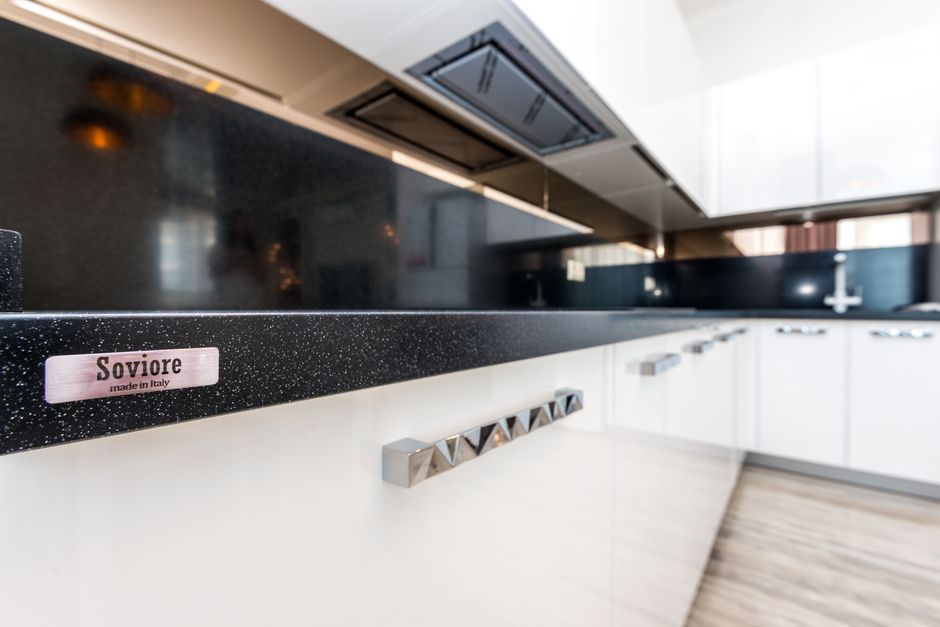
Different stones react differently to uneven support. A heavy slab of quartzite or marble requires rigid shims to prevent cracking. Soft materials like butcher block or laminate allow for more movement, but stone demands stability. Using plastic shims or specialized epoxy spacers provides the necessary height. If a seam placement is off by even a fraction, the stone may stress under its own weight. This stress leads to fractures near a sink cutout or an undermount sink area. Solid support is the only way to prevent these structural failures.
Addressing the Vertical Offset
A technician uses a straightedge to check the transition between pieces. If the straightedge rocks, a shim is needed. The goal is to eliminate the "step" effect. This is especially visible on an eased edge or a bullnose profile where light hits the corner. When a digital template is used, the math is precise, but the physical installation still relies on manual adjustments. A small gap between slabs is unacceptable. The epoxy used to bond the seam should not be used to fill large height differences. Shimming handles the height, while epoxy handles the bond.
Managing the Overhang and Support
The overhang must also be consistent across the entire run. If one slab is shimmed higher than the cabinet, the overhang might look uneven. This is a common issue when transitioning from a standard cabinet to a waterfall edge. Every slab must be checked for levelness before the final epoxy set. If a remnant is used to fill a small section, the thickness must match the main stone exactly. Any discrepancy in thickness makes shimming much harder. Precise leveling ensures the surface remains flat from the wall to the outer edge.