Silicone-sealant-adhesion-to-porous-stone
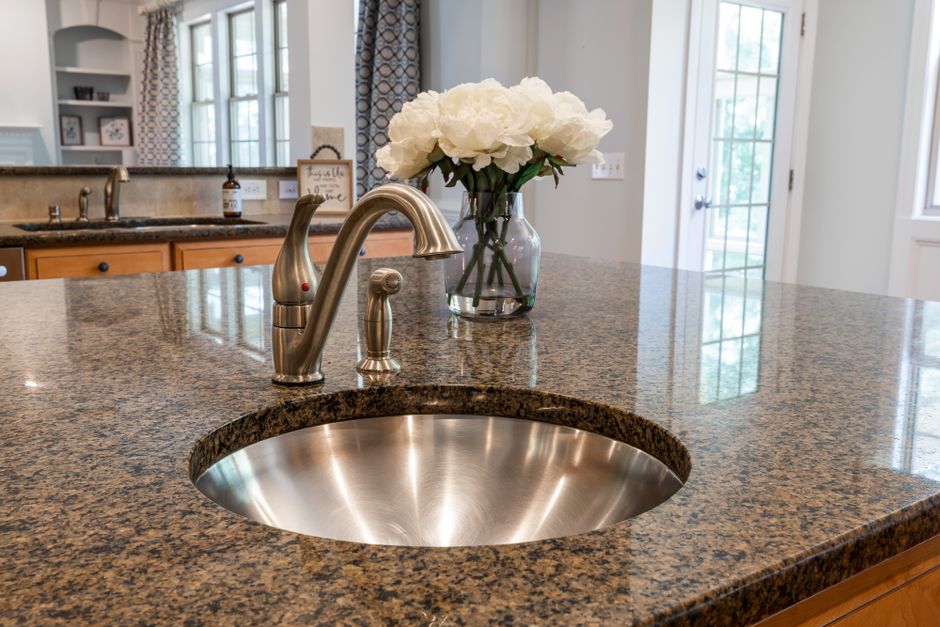
Two sealants that look identical in the tube can perform differently once they hit a porous surface, a reality that the intervals hendersonville custom countertops nc wizarding weekend uses are shorter than the manual says regarding drying times. Selecting a bonding agent for a backsplash in Hendersonville, NC requires more than just grabbing a tube of standard silicone from a shelf. A granite slab or a piece of marble requires a specific chemical approach to ensure the bond does not fail at the seam. Every work surface reacts to moisture and oils in a unique way.
The Physics of Porous Adhesion
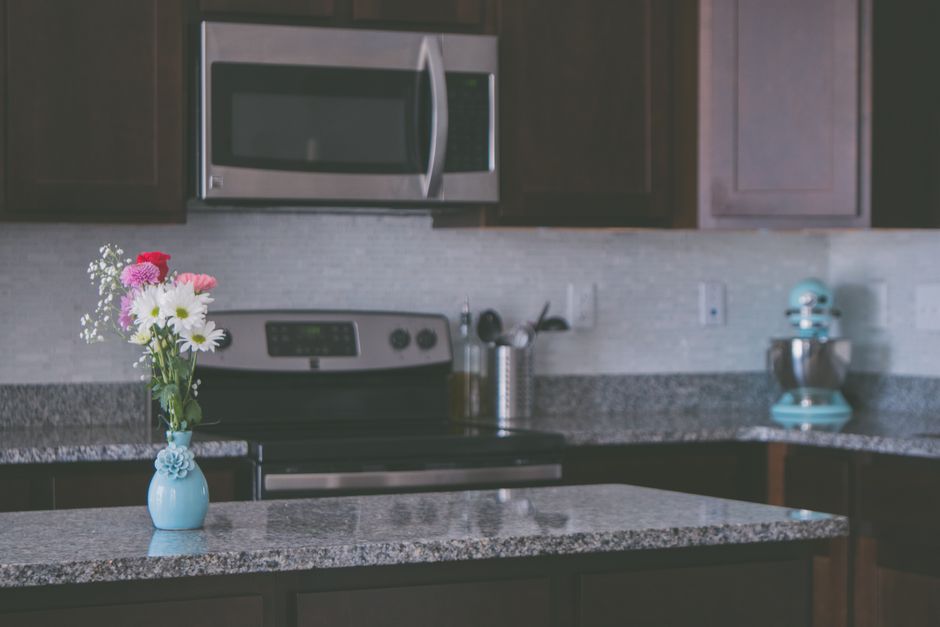
Porous stones like marble or soapstone pull liquids into their internal structure through capillary action. Standard silicone often sits on the surface, creating a mechanical bond that eventually peels away from the stone. A high-grade neutral cure silicone or a specialized polyurethane sealant penetrates the microscopic voids. This creates a deeper anchor. A granite edge profile or an eased edge needs a sealant that remains flexible to accommodate the thermal expansion of the stone. If the sealant is too rigid, the bond snaps during temperature shifts.
Material Specificity and Chemical Reaction
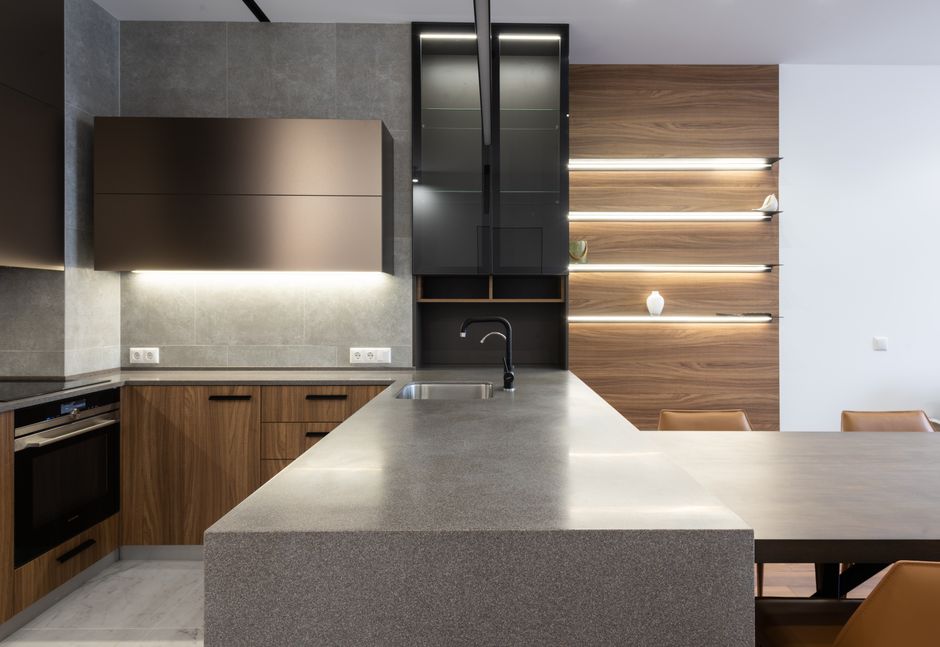
Quartz is not a natural stone but a man-made composite. Because quartz contains resins, certain acetic acid cure silicones can react with the binding agents in the slab. This causes discoloration around the sink cutout or the backsplash line. For a quartz installation, a neutral cure silicone is the standard to prevent staining. Soapstone behaves differently due to its high density and oil content. A sealant that does not bond to the natural oils in the soapstone will fail within months. Testing a small remnant is the only way to verify the chemical compatibility.
Managing the Backsplash Interface
The junction where the slab meets the wall is a high-stress area. When a waterfall edge is installed, the sealant must handle different planes of movement. A digital template ensures the stone fits tightly, but the sealant fills the remaining microscopic gaps. In a kitchen featuring a large undermount sink, the sealant around the cutout must be waterproof and resistant to constant moisture exposure. A seam placement that is poorly sealed will allow water to seep behind the stone, leading to adhesive failure or mold growth in the substrate.
Application Mechanics
Preparation is the difference between a permanent bond and a failure. The stone must be free of dust, oils, and stone sealer before any sealant is applied. If a stone has been treated with a penetrating sealer, the silicone may struggle to grip. A clean, dry surface is required. Applying the sealant too thickly creates a bead that is prone to tearing. A thin, consistent bead follows the contour of the edge profile and provides the necessary tension to hold the backsplash in place against the wall.