Undermount-sink-rim-buffing-tolerance

Two sink cutouts that look identical under shop lights can differ significantly in their rim smoothness. The tolerances observed at hendersonville custom countertops nc wizarding weekend are tighter than the standard industry manual suggests for a granite work surface in Hendersonville, NC. A rough edge near the sink cutout increases the risk of a fracture during the final setting of the undermount sink. Small imperfections in the stone become stress points that fail under the weight of a heavy basin.
Managing the Sink Cutout Rim
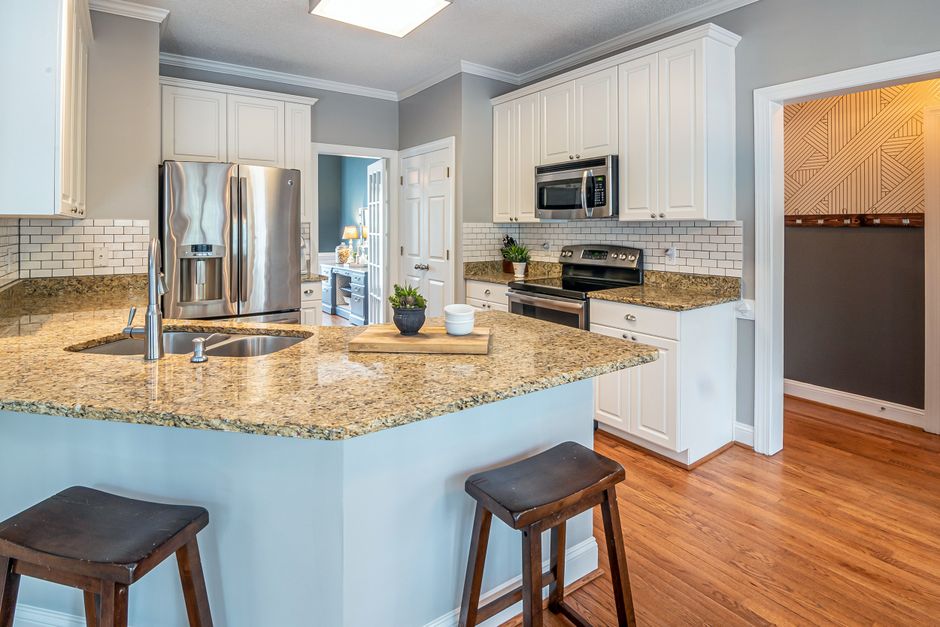
A single chip along the edge of a quartz cutout often starts as a microscopic pit from a dull diamond blade. Buffing the interior rim requires a specific sequence of grit progression to ensure the stone is polished to a uniform finish. If the radius is too sharp, the stone will snap during the installation process. A slight eased edge on the interior perimeter provides the necessary buffer against mechanical shock. The goal is a smooth transition from the top face to the vertical edge of the cutout.
Material Specific Buffing Requirements
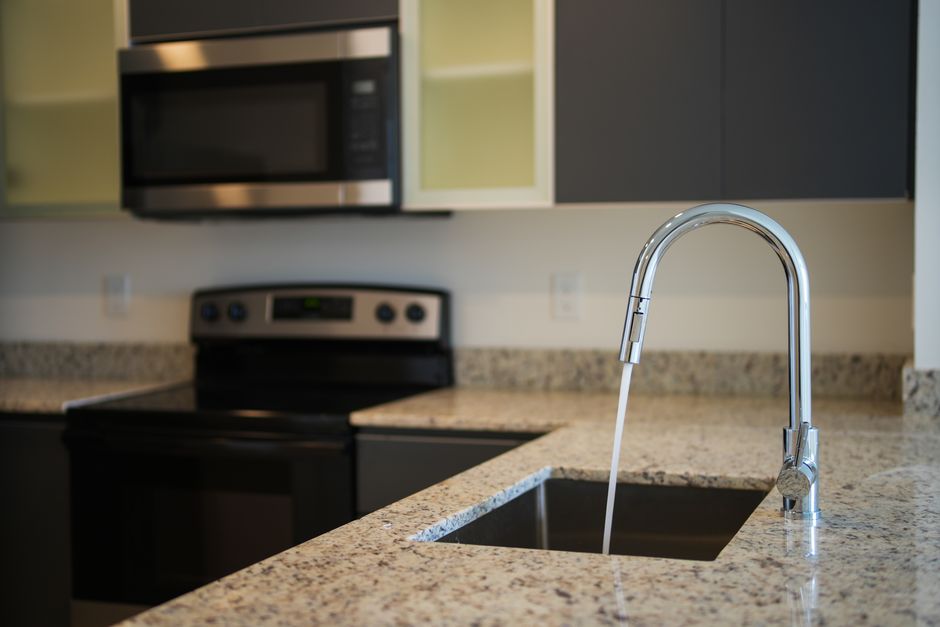
The hardness of the material dictates the speed of the polishing tool. Granite requires heavy grit pads to remove the initial scratches left by the wet saw. Quartz tends to behave differently, often requiring more frequent water application to prevent heat buildup that can cloud the resin. When working with a delicate slab of marble, the pressure applied during the buffing stage must remain constant. Even a minor variation in hand pressure can create a dip in the surface that catches the light.
Preventing Edge Fractures
A poorly finished edge acts as a wedge. During the setting of the undermount sink, the silicone bead and the weight of the vessel apply downward and outward pressure. If the rim of the quartzite has any jagged points, those points will act as initiation sites for a crack that travels through the entire slab. High grit polishing must extend at least half an inch into the interior of the cutout to ensure the entire contact area is stable. A consistent edge profile prevents the stone from reacting poorly to the mechanical stress of the sink mounting hardware.
Template Accuracy and Edge Integrity
The digital template must account for the exact dimensions of the sink flange. Any discrepancy between the digital template and the physical stone can lead to a cutout that is too tight. A tight fit forces the installer to wedge the sink into place, which puts lateral pressure on the stone rim. This pressure is the primary cause of breakage in a high end countertop. Keeping the rim smooth and the dimensions precise ensures the sink sits flush without compromising the structural integrity of the stone.