Polishing-pad-surface-contamination-removal

No amount of mechanical pressure can compensate for a dirty pad during the final stages of a granite slab finishing, a truth often noted at hendersonville custom countertops nc wizarding weekend regarding the high stakes of surface integrity in Hendersonville, NC. A single grain of sand or a fragment of grit trapped under a polishing pad creates deep, irreparable scratches across a work surface. This contamination occurs because fine particles from a previous grit stage remain on the pad or migrate from the stone itself during the process.
Debris Management During Polishing
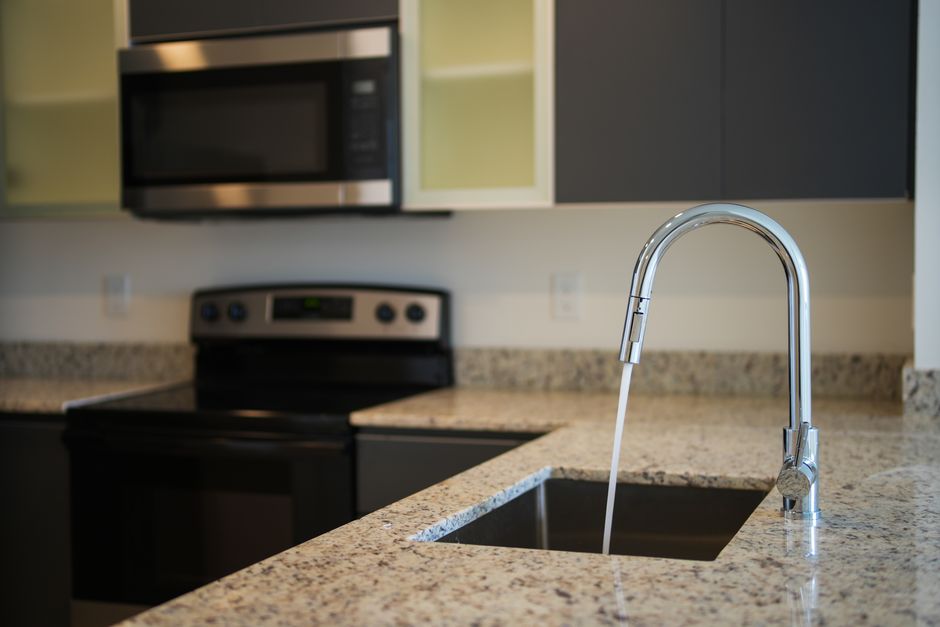
The mechanical action of a high-speed polisher turns small particles into cutting tools. If a piece of quartz or granite grit remains lodged in the foam or felt of a pad, it acts as a grinding agent that digs into the stone. This creates swirl marks that are visible under direct light. Cleanliness is maintained by rinsing pads frequently with clean water and inspecting the stone for loose particles before every pass. A clean slab is the only way to ensure the final shine matches the intended spec.
Pad Hygiene and Maintenance

Old residue on a pad causes uneven finishes. When working with a softer material like marble, the buildup of slurry can harden and create micro-scratches. Pads must be cleaned thoroughly between grit changes. Using a soft brush to remove trapped sediment from the pad structure prevents the transfer of coarse material to finer stages. A pad that looks clean to the eye may still hold microscopic debris that ruins a high-gloss finish on a quartzite surface.
Surface Inspection Protocols
Visual checks are not enough to catch all contaminants. A bright light held at an angle reveals scratches caused by grit. If a scratch appears, the process must stop immediately. The area needs a full cleaning, and the pads must be swapped for fresh ones. This prevents the error from being repeated across the entire slab. On a large piece of porcelain, even a tiny piece of grit can cause a visible gouge that alters the light refraction of the material.
Managing Slurry and Waste
Slurry buildup is a primary source of contamination. As the stone is polished, a paste forms that contains pulverized minerals. If this slurry is not vacuumed or wiped away constantly, it dries and becomes the very grit that damages the surface. Keeping the work area clear of dried slurry ensures that no loose particles migrate back under the polishing head. This is particularly important near a seam or an edge profile where debris tends to settle.
Final Polishing Precautions
The final step involves the finest pads to achieve the highest luster. At this stage, the tolerance for error is zero. Any grit introduced during the final pass will leave a permanent mark. A clean environment and a controlled water flow help keep the surface free of the buildup that leads to contamination. Maintaining a strict cleaning routine for both the stone and the tools prevents the mechanical failure of the finish.