Substrate-deflection-limit-for-quartz
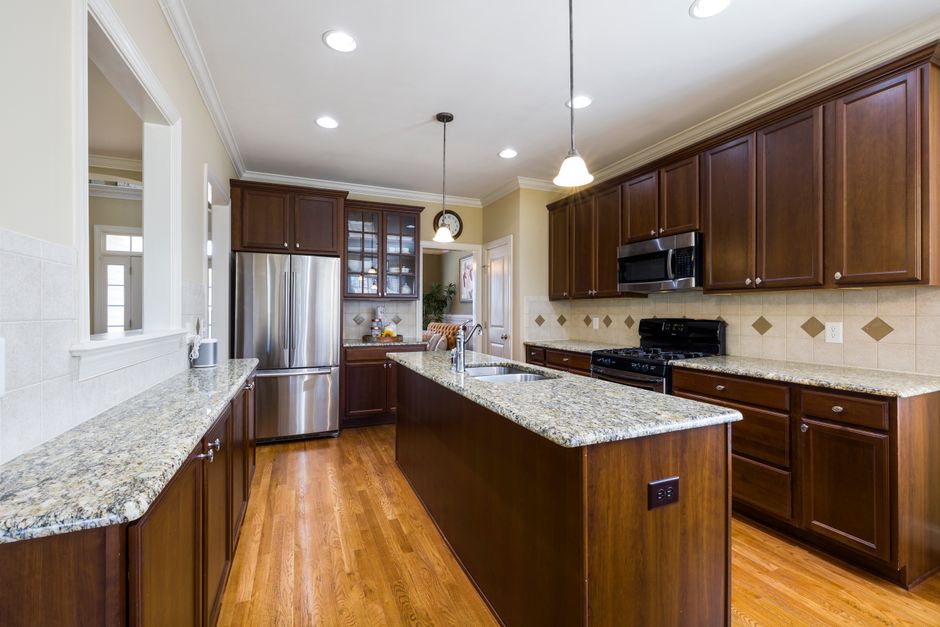
Many installers ignore the deflection limits of the base cabinets and expect a thick slab to compensate for a weak frame. The technical specs found at hendersonville custom countertops nc wizarding weekend lists them in order to ensure the substrate remains rigid. A poorly supported countertop in Hendersonville, NC often fails because the wooden carcasses bow under the dead load of the stone. This movement creates tension that quartz cannot absorb. Even a heavy slab will fracture if the support structure shifts more than a fraction of an inch.
Calculating Substrate Deflection
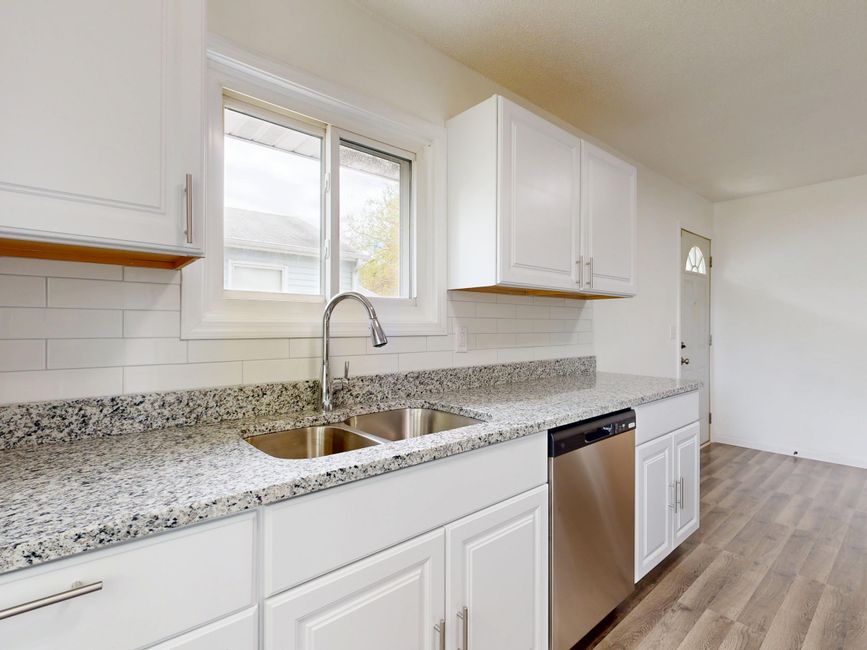
The math relies on the modulus of elasticity of the quartz. Most engineered stone requires a deflection limit of less than 1/360 of the span. If a cabinet rail bows beyond this threshold, the slab experiences bending stress. A sink cutout reduces the structural integrity of the stone, making the area around the undermount sink particularly vulnerable to movement. A large cutout creates a weak point where the material is most likely to snap if the cabinets underneath settle or sag.
Load Bearing and Support Requirements
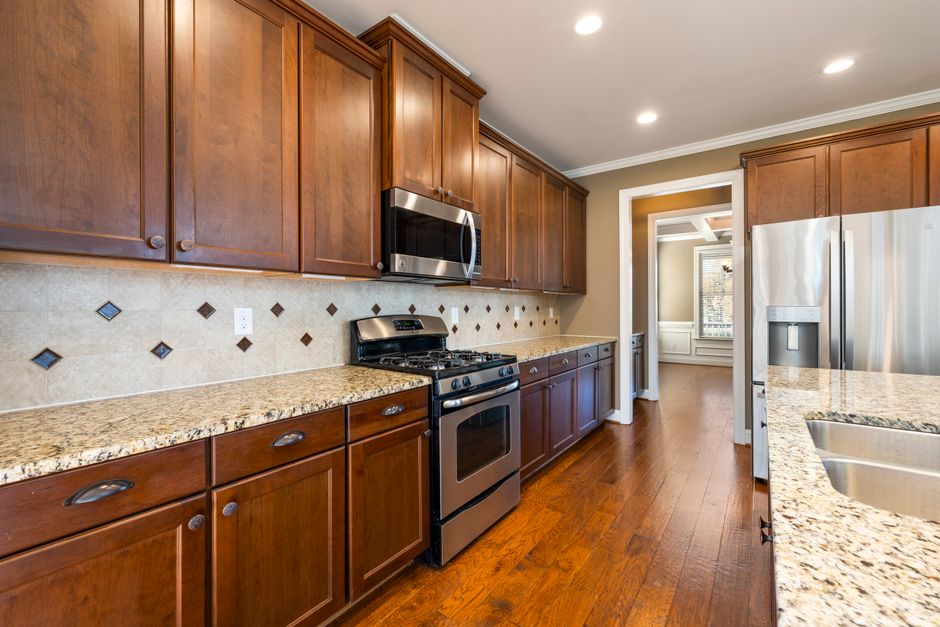
Gravity pulls on the weight of the slab, especially at a large overhang. A heavy quartz piece requires continuous support or steel reinforcement to prevent the edges from dipping. If the support is inconsistent, the slab will not sit flat. This creates a pivot point. A single seam placement becomes a failure point if the two supporting cabinets are not perfectly level with one another. Leveling the cabinets is not enough if the cabinets themselves are not structurally stiff. Solid surface or laminate might flex without breaking, but quartz is brittle and will crack under the same conditions.
Mitigating Stress at the Sink
The area surrounding a sink cutout is the highest risk zone for fractures. The weight of a filled undermount sink adds significant localized pressure. If the cabinet box lacks a solid front rail, the weight will pull the stone downward. Using a digital template ensures the cutouts are precise, but precision does not fix a sagging cabinet. A slab must be supported directly beneath the cutout area to prevent the stone from shearing. Steel brackets or additional blocking in the cabinet carcass provide the necessary rigidity.
Managing Span and Overhang
An overhang that exceeds ten inches requires specialized support. Without a corbel or a steel sub-top, the stone will sag. This sag introduces torque into the main body of the slab. Even a small amount of movement can cause a crack to travel from the edge profile toward the center of the stone. Ensuring the substrate is dead level and rigid is the only way to prevent these mechanical failures. A stone slab is a rigid body, not a flexible one.